









Austin Truck Accidents Caused by Poorly Loaded Truck Cargo
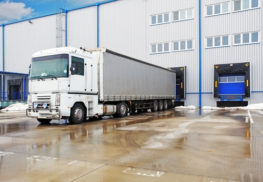
The cargo carried by a tractor-trailer in Austin may weigh tens of thousands of pounds, depending on the truck and the type of freight being transported.
If heavy cargo is not properly loaded or secured, it can shift while the truck is moving. A sudden change in weight distribution may affect the truck’s stability and increase the risk of a rollover, jackknife, loss-of-control crash, or other serious collision.
Improperly secured cargo can also fall or spill from a commercial truck and create hazards for nearby motorists. Unsecured loads, cargo shifts, and loading failures can result in serious injuries, fatalities, and substantial property damage.
If you or a family member was injured in Austin because cargo shifted, spilled, fell from a truck, or was improperly secured, our Austin truck accident attorneys can investigate what happened and explain the legal options that may be available.
Cases involving improperly loaded or unsecured cargo may require a review of loading procedures, inspection records, bills of lading, securement equipment, trucking company records, photographs, electronic data, and the condition of the truck and cargo after the collision.
Responsibility for Securing Commercial Truck Cargo in Austin
The Federal Motor Carrier Safety Administration maintains cargo securement requirements for commercial motor vehicles operating in interstate commerce. These regulations are intended to prevent cargo from shifting, leaking, spilling, blowing, or falling from a commercial vehicle and to prevent cargo movement from affecting the vehicle’s stability or maneuverability.
Under federal cargo securement rules, cargo generally must be firmly immobilized or secured using structures and equipment capable of safely restraining the load. Depending on the cargo, this may include tiedowns, dunnage, shoring bars, blocking, bracing, chocks, wedges, cradles, or other securement systems.
Cargo that is likely to roll must be restrained by appropriate equipment such as chocks, wedges, a cradle, or another method capable of preventing movement while the vehicle is in transit.
You can review the current FMCSA cargo securement rules for more information.
Federal Cargo Securement Requirements Address Factors Such As:
- The working load limits of cargo securement systems in relation to the weight of the cargo
- The condition and strength of tiedowns and other securement devices
- The placement and number of tiedowns required for certain loads
- Preventing cargo from shifting, rolling, leaking, spilling, blowing, or falling from the vehicle
- Proper use of blocking, bracing, dunnage, chocks, wedges, cradles, and similar equipment
- Additional securement requirements for certain types of cargo
Certain Types of Cargo Have Additional Securement Requirements
- Logs
- Dressed lumber
- Metal coils
- Paper rolls
- Concrete pipe
- Intermodal containers
- Automobiles, light trucks, and vans
- Heavy vehicles, equipment, and machinery
- Flattened or crushed vehicles
- Roll-on and roll-off containers
- Large boulders
Motor carriers, drivers, and other parties responsible for loading or securing cargo may have duties under federal regulations and other applicable safety requirements. Determining who was responsible for an improperly secured load requires reviewing the facts of the specific shipment and crash.
The Importance of Properly Securing Cargo on Austin Commercial Trucks

Cargo that has not been properly loaded or secured may move while the truck is in transit. A significant cargo shift can change how weight is distributed within or on the vehicle and may make the truck more difficult to control.
Commercial trucks already handle differently from passenger vehicles because of their size, weight, and configuration. When cargo suddenly shifts, the change in weight distribution can contribute to a loss of control.
Rollovers and jackknife crashes are two types of collisions in which investigators may examine whether shifting cargo, improper loading, or inadequate securement contributed to the crash.
Improperly secured cargo may also fall from a trailer or truck and enter the roadway. Falling cargo can strike another vehicle directly or create an obstacle that forces other motorists to brake, swerve, or collide with surrounding traffic.
When unsecured cargo contributes to a serious crash, determining how the cargo was loaded, who secured it, whether the load was inspected, and whether appropriate securement equipment was used can become important parts of the investigation.
We Investigate Cargo-Shift and Cargo-Spill Truck Accidents in Austin
In some accidents, spilled or displaced cargo clearly indicates that the load played a role in the collision. In other crashes, the relationship between the cargo and the accident may not be immediately obvious.
For example, after a rollover or jackknife crash, the trucking company may argue that the cargo shifted because of the collision rather than causing or contributing to it. An investigation may be needed to determine the sequence of events.
Evidence We May Review in a Cargo-Shift Accident Investigation
- Truck driver’s cargo inspection records
- Bills of lading and shipping documents
- Loading and securement records
- Photographs or video of the cargo and crash scene
- The condition and placement of tiedowns and securement equipment
- The truck, trailer, and remaining cargo
- Electronic vehicle data, when available
- Witness statements
- Trucking company policies and relevant records
Depending on the circumstances, investigating the collision may also require assistance from professionals in accident reconstruction, engineering, vehicle systems, or cargo securement.
Herrman & Herrman, P.L.L.C. investigates commercial truck crashes on behalf of injured clients. A claim may involve medical expenses, lost income, property damage, pain and suffering, and other legally recoverable losses depending on the facts of the case.
Preserving evidence can be particularly important in an unsecured-load or cargo-shift case. Trucking records, electronic information, damaged securement equipment, the trailer, and the cargo itself may provide evidence about how the load was transported and why it moved or fell.
Contact Our Austin Truck Accident Lawyers About a Crash Caused by a Cargo Shift
If you were injured in an Austin commercial truck accident involving unsecured, improperly loaded, shifted, or spilled cargo, attorneys at Herrman & Herrman, P.L.L.C. can review what happened and discuss your legal options.
Obtaining records and preserving access to the truck, trailer, cargo, and securement equipment may be important when determining whether an improperly secured load contributed to the collision.
Contact us today to request a consultation or make an appointment at our Austin office.
Our firm has offices in the following locations: Austin, Brownsville, Corpus Christi, Corpus Christi South Side, Dallas, Ft. Worth, Houston, McAllen, and San Antonio, TX.
Sources and More Information:
