









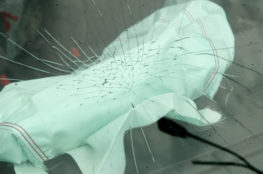
The Takata air bag recall has become one of the largest and most significant automotive safety crises in history. What began as a limited investigation into potentially defective air bags quickly expanded into a nationwide and eventually global safety concern involving millions of vehicles from numerous manufacturers. The defective air bags have been linked to serious injuries and fatalities, raising concerns among consumers, government regulators, automobile manufacturers, and safety advocates.
For vehicle owners, the recall serves as a reminder that safety defects can exist even in well-known and trusted vehicles. Understanding the nature of the Takata air bag defect, determining whether a vehicle is affected, and taking prompt action can help reduce the risk of serious injury.
Understanding the Takata Air Bag Defect
Air bags are designed to save lives during collisions by deploying rapidly and cushioning vehicle occupants from impact. However, the defect associated with Takata air bags transformed a critical safety device into a potentially dangerous hazard.
Investigations revealed that certain Takata air bag inflators could explode with excessive force during deployment. Instead of safely inflating the air bag, the inflator housing could rupture, sending metal fragments flying into the vehicle cabin. These metal shards could strike drivers and passengers with tremendous force, causing severe injuries or death.
The danger was especially alarming because the air bag itself is intended to protect vehicle occupants. In affected vehicles, the very device designed to save lives could instead become the source of catastrophic injuries.
How the Recall Expanded
Initially, the recall involved millions of vehicles manufactured by several major automakers. As additional investigations were conducted and more data became available, the number of affected vehicles continued to increase.
The growing recall eventually involved millions of vehicles across multiple model years and numerous automotive brands. The scope of the problem highlighted the widespread use of Takata air bag components throughout the automotive industry.
As more vehicles were identified as potentially affected, manufacturers issued additional recall notices and expanded repair campaigns. The growing number of recalls created significant challenges for dealerships, repair facilities, and vehicle owners seeking repairs.
Why the Air Bags Failed
According to information released during the investigation, exposure to heat and humidity appeared to play a significant role in the deterioration of the inflator components.
The inflators contained a chemical propellant designed to trigger rapid air bag deployment during a collision. Over time, prolonged exposure to environmental conditions such as moisture and high temperatures could cause the propellant to become unstable.
When activated during a crash, the degraded propellant could burn too aggressively, creating excessive pressure inside the inflator. This pressure could cause the metal housing to rupture, sending dangerous fragments throughout the passenger compartment.
Because many southern states experience high humidity and warm temperatures, regulators initially focused on vehicles operating in those regions. However, concerns eventually expanded beyond those geographic areas.
Disagreement Between Regulators and Takata
One of the most controversial aspects of the recall involved disagreements between Takata and federal safety regulators regarding the scope of the problem.
Takata maintained that the defect was primarily associated with vehicles operating in high-humidity regions. The company argued that recalls should focus on those areas where environmental conditions were most likely to contribute to inflator deterioration.
Federal regulators, however, expressed concern that the defect could present risks beyond those regions. Safety officials pushed for broader recalls to ensure that potentially affected vehicles nationwide could be repaired before injuries occurred.
The dispute raised important questions regarding the authority of regulators, the responsibilities of parts suppliers, and the extent of recall obligations when public safety is at risk.
Challenges in Repairing Millions of Vehicles
Even after recalls were announced, many vehicle owners faced difficulties obtaining repairs.
The sheer number of affected vehicles created a significant shortage of replacement parts. Dealerships often lacked sufficient inventory to repair every recalled vehicle immediately, resulting in long waiting lists and delayed repairs.
Many owners received recall notices only to discover that replacement components were unavailable. Some dealerships prioritized repairs based on risk factors such as geographic location, vehicle age, and whether the driver’s side or passenger side air bag was affected.
The shortage of replacement parts created frustration for consumers who wanted to eliminate the safety risk but had limited options while waiting for repairs.
Automakers Affected by the Recall
The Takata air bag recall ultimately affected a wide range of automobile manufacturers. Various models produced by the following manufacturers were included in recall campaigns:
- Acura
- BMW
- Chrysler
- Dodge
- Ford
- General Motors
- Honda
- Infiniti
- Lexus
- Mazda
- Nissan
- Subaru
- Toyota
Because the affected vehicles spanned multiple years and models, vehicle owners could not assume their vehicle was unaffected simply because it belonged to a particular manufacturer.
How to Determine Whether Your Vehicle Has Been Recalled
Vehicle owners should regularly check whether their vehicles are subject to safety recalls. Even if a recall notice was never received, a vehicle may still be affected.
The most reliable way to determine recall status is by using the Vehicle Identification Number (VIN). The VIN is a unique identifier assigned to every vehicle and can typically be found:
- On the dashboard near the windshield
- Inside the driver’s side door frame
- On vehicle registration documents
- On insurance paperwork
- On vehicle title documents
By entering the VIN into a manufacturer’s recall database or the government’s recall lookup system, owners can determine whether their vehicle is subject to an active safety recall.
What to Do If Your Vehicle Is Recalled
If a vehicle is identified as part of the Takata air bag recall, owners should contact an authorized dealership as soon as possible.
Dealerships can verify recall eligibility and determine whether replacement parts are available. Depending on inventory and repair schedules, some repairs may be completed immediately, while others may require the owner to wait until parts arrive.
Vehicle owners should keep all recall notices and repair documentation for future reference. Maintaining records can be important if additional recalls are issued or if legal issues arise later.
Temporary Safety Precautions While Waiting for Repairs
Unfortunately, some vehicle owners may face delays due to replacement part shortages. During these waiting periods, safety experts have recommended several precautionary measures.
If the recall involves only the passenger-side air bag, vehicle owners may consider avoiding use of the front passenger seat whenever possible.
If the driver’s side air bag is affected, owners may consider limiting vehicle use until repairs are completed. Alternative transportation options may include:
- Riding with family members or friends
- Using public transportation
- Utilizing rideshare services
- Renting a replacement vehicle
- Using employer transportation programs when available
While these measures may not be practical for everyone, reducing exposure to a known safety risk can help protect vehicle occupants.
Potential Legal Claims Against Manufacturers
As investigations into the Takata air bag defect progressed, questions emerged regarding what manufacturers and suppliers knew about the problem and when they became aware of the risks.
Allegations surfaced suggesting that warning signs may have existed before widespread recalls were issued. These concerns led to numerous lawsuits involving injured consumers, families of deceased victims, automakers, and Takata itself.
Product liability claims involving defective automotive components often focus on issues such as:
- Defective design
- Manufacturing defects
- Failure to warn consumers
- Negligence
- Breach of warranty
- Corporate knowledge of safety risks
When a defective product causes injury, victims may be entitled to seek compensation for medical expenses, lost income, pain and suffering, disability, and other damages.
Present Situation
Today, the Takata air bag recall remains one of the most significant product safety events ever recorded in the automotive industry. Although millions of defective air bags have been replaced, safety officials continue to urge vehicle owners to check for open recalls and complete necessary repairs. Many recalled vehicles remain on the road because owners may be unaware that their vehicles are affected, have changed addresses since the recall was issued, or have purchased used vehicles without knowing about outstanding recalls.
Automobile manufacturers, dealerships, and government safety agencies continue efforts to identify affected vehicles and encourage owners to obtain repairs. Public awareness campaigns stress the importance of addressing open recalls promptly, particularly when they involve critical safety systems such as air bags.
Consumers are encouraged to regularly review recall information, especially when purchasing used vehicles, and to respond immediately to any recall notices they receive. Even years after a recall is announced, unresolved safety defects can continue to pose serious risks to drivers, passengers, and their families.
Protecting Your Rights After an Air Bag Injury
When a defective air bag causes serious injury or death, victims and their families may have important legal rights. Product liability cases involving automotive defects can be complex and often require extensive investigation into manufacturing processes, testing records, recall history, and corporate conduct.
Individuals who believe they have been harmed by a defective Takata air bag should consider speaking with an experienced product liability attorney to understand their options. A legal professional can evaluate the circumstances of the injury, identify potentially responsible parties, and determine whether compensation may be available for losses resulting from the defective product.
As automotive safety technology continues to evolve, the Takata recall serves as a powerful reminder that manufacturers have a responsibility to prioritize consumer safety and promptly address defects that place lives at risk.
CONTACT HERRMAN & HERRMAN IF YOU HAVE BEEN INJURED IN ANY OF THE FOLLOWING TYPES OF ACCIDENTS:
We can help you if you have been harmed by the following:
- Car accidents – Our lawyers have extensive experience handling car accident cases. We will work to identify the party or parties at fault for the crash and build a case to demonstrate persuasively how the parties caused the accident and your injuries. We will seek fair and full compensation through a negotiated settlement or at trial if necessary.
- Truck accidents – Thousands of large commercial trucks travel the roads of Texas every single day. Unfortunately, careless truck drivers and trucking companies disregarding safety put innocent people at risk of serious injuries. If you’ve been injured in a truck accident, let our experienced Texas personal injury lawyers stand up to the trucking companies and insurers on your behalf.
- Motorcycle accidents – Motorcycle riders often suffer grievous injuries in crashes caused by other motorists. Too many motorcycle accidents in Corpus Christi are caused by careless drivers who don’t look for motorcycle riders or violate their right of way. Our personal injury lawyers will work to cut through the bias and stigma against motorcycle riders. Our goal is to seek the financial compensation that you’ll need to recover from a serious motorcycle accident and injuries such as bone fractures, road rash, or traumatic brain injury.
- Product liability – Product manufacturers have a legal obligation to make products that are safe for their intended uses and to warn consumers of any risks that may come with the product. When products have design or manufacturing defects or undisclosed dangers, the product manufacturer may be legally responsible for injuries suffered by consumers. Our attorneys can help you evaluate whether you have a valid product liability claim.
- Brain injury – Brain injuries can leave accident victims with disabilities that leave them unable to work or perform many tasks of daily living. Seeking compensation for a brain injury in an accident often proves incredibly complex. The brain injury survivor may seek compensation for anticipated future medical care and the medical care already provided. Our personal injury lawyers can help you through the difficult recovery process following a brain injury and will fight to make sure you have the resources you need.
- Spinal injury – Spinal cord injuries could cost millions of dollars of care over the course of the victim’s lifetime, especially when those injuries result in partial or complete paralysis, such as paraplegia or quadriplegia. If you or your loved one has suffered a spinal cord injury, you deserve compassionate legal representation. Our attorney can help you determine whether you may be entitled to claim compensation for your injury and expenses related to living with the disability, such as making a home more accessible.
- Wrongful death – If you have lost a loved one due to the negligent or reckless actions of another party, your family deserves to seek accountability and compensation from those at fault for the wrongful death. Our caring and dedicated attorneys can help guide you and your family through this difficult and painful time and seek justice for your loved one.

ABOUT HERRMAN & HERRMAN PERSONAL INJURY LAWYERS
